
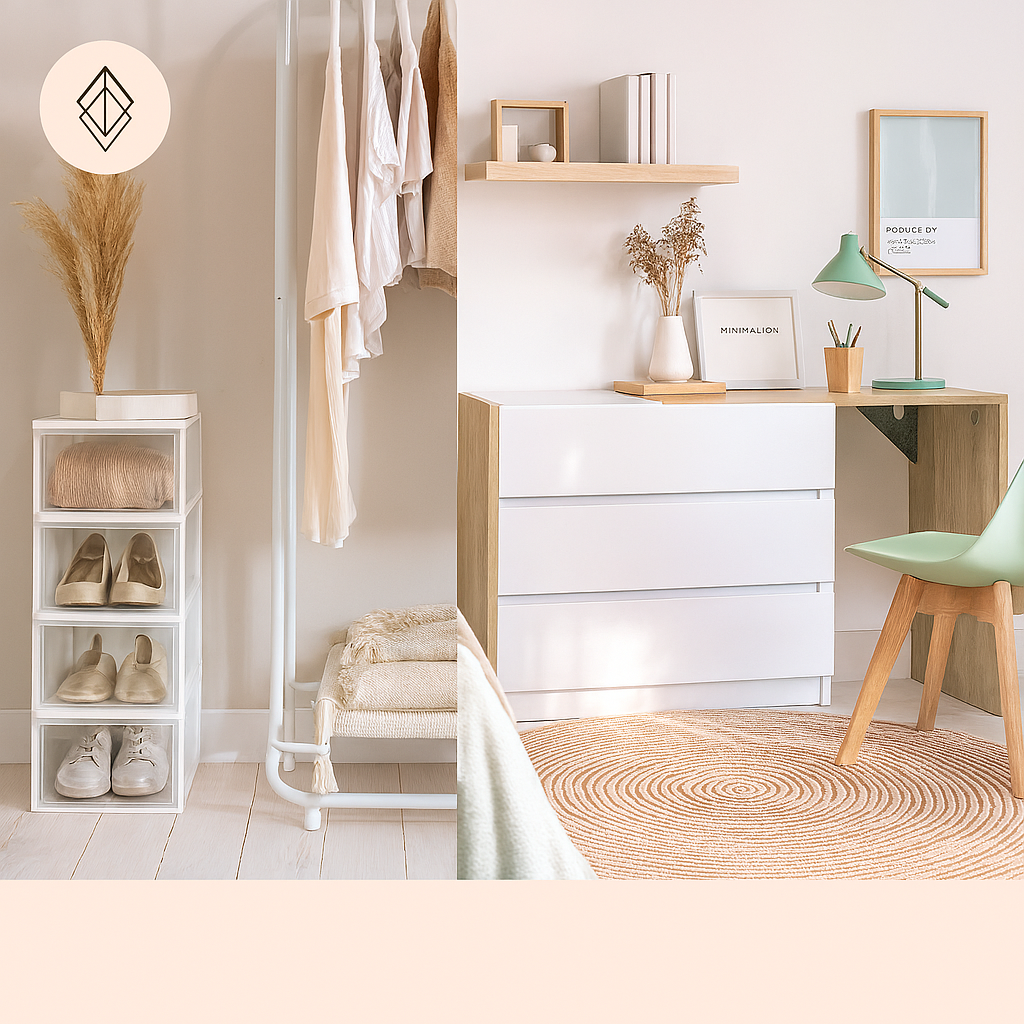
Decluttering your home can feel refreshing—until mistakes slow your progress, cause frustration, or lead to even more mess. Whether you’re just starting or deep into a decluttering project, avoiding these common pitfalls will help you stay organized, motivated, and stress‑free.
Decluttering transforms your home, boosts your mood, and creates space for the things that truly matter. Yet many people approach the process with good intentions but the wrong strategies—leading to frustration, burnout, or a home that becomes cluttered again in a matter of weeks. Understanding what not to do is just as important as knowing the right steps to take. By avoiding common pitfalls, you can create a decluttering routine that feels simple, sustainable, and stress‑free.
🏠 ATTENTION! 🏠 Spots fill fast — claim your FREE cleaning consultation with our experts 📞Contact us NOW!
In the sections that follow, you’ll discover the top 9 decluttering mistakes that most people make, along with practical guidance to help you avoid each one. From poor organizing strategies to emotional hurdles like handling sentimental items, each point highlights a unique challenge and how to overcome it. Whether you’re a beginner or someone restarting your decluttering journey, this list will give you clarity and confidence as you move toward a more organized and peaceful home.
Below are the top 9 decluttering mistakes to avoid, each explained through a focused keyword header.
1. Cleaning Habits
Many people mix up cleaning with decluttering, which leads to a tidy‑looking space that still feels chaotic. Cleaning habits such as wiping surfaces or vacuuming may improve appearance, but they do nothing to reduce the number of items in your home. This can create a false sense of completion because the clutter remains hidden in drawers, closets, or corners.
Developing healthy daily cleaning habits prevents clutter from piling up again after you’ve decluttered. For example, a nightly “five‑minute reset” can keep surfaces clear, and a habit of putting items back immediately reduces buildup. Small habits like folding blankets after use or sorting mail at the entrance make a big difference in long-term organization.
Example: Cleaning around a stack of old magazines doesn’t remove the clutter—recycling them does.
2. Decluttering Mistakes
Starting too many decluttering projects at once is one of the most common mistakes. When you move from room to room without finishing one area, you create multiple messes and increase the likelihood of burnout. Another frequent error is buying organizational bins before reducing your belongings, which only gives objects more places to hide.
Best products for full home deep clean in 2026 🏠
To avoid these mistakes, focus on one small zone at a time and use a simple decision-making system, such as “Keep, Donate, Trash, Relocate.” Working in short sessions also helps you maintain energy and momentum. Decluttering is more productive when you follow a structured and intentional process.
Example: Declutter one kitchen drawer completely before moving on to the next instead of emptying all drawers at once.
3. Decision Fatigue
Decision fatigue happens when your brain becomes tired from making too many choices, causing you to slow down or avoid deciding altogether. This often leads to keeping items “just in case,” even if they don’t serve a purpose. Tackling highly emotional categories early—such as keepsakes or heirlooms—intensifies fatigue and makes progress difficult.
To reduce decision fatigue, start with easy categories like pantry items, cleaning supplies, or old paperwork. Break larger tasks into short sessions and stop before you feel mentally drained. By spacing out your decisions, you become more efficient and confident in choosing what stays and what goes.
Example: Sorting through 10 towels is easier than deciding whether to keep your childhood scrapbook—start small.
4. Overwhelming Clutter
Trying to declutter a massive space like a garage or attic in one session can quickly become overwhelming. When a space is packed with items, emotions such as guilt, stress, or embarrassment can surface, making the task feel impossible. Many people give up halfway and leave the area messier than it started.
Instead, break the space into zones or categories. Choose a single shelf, drawer, or box and complete that section before moving on. This small‑win approach builds motivation and creates visible progress. Clearing small areas eventually leads to big results without emotional overload.
Example: In a garage, begin with just the sports equipment shelf instead of tackling the entire room at once.
5. Organizing Strategy
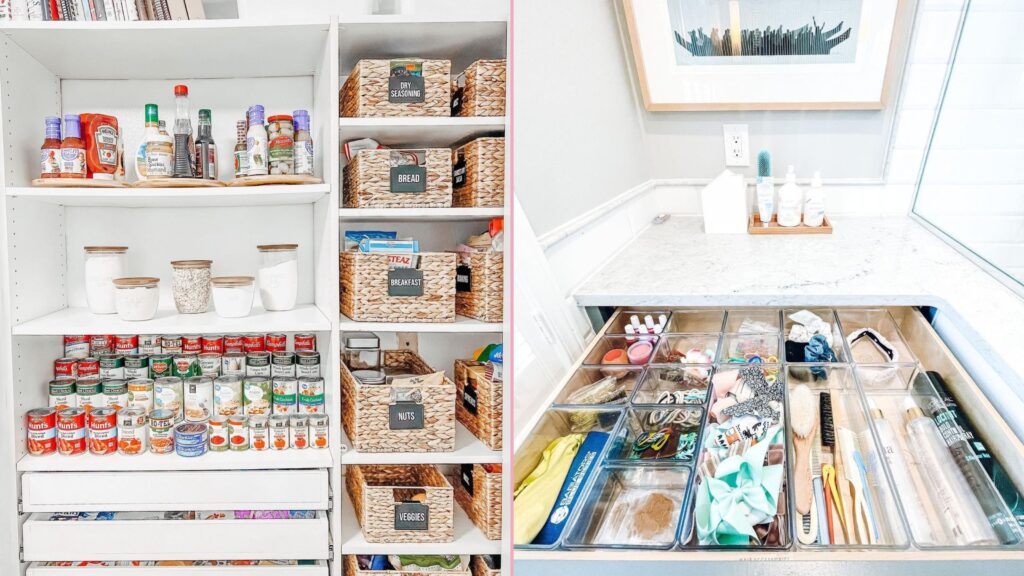
Without a clear organizing strategy, decluttering often leads to shifting items from one place to another instead of truly reducing them. Randomly placing things in drawers or closets leads to confusion, lost items, and clutter returning quickly. Your system must be functional, not just aesthetically pleasing.
Creating a strategy means assigning every category a “home” and sticking to it. Aim for simple systems that everyone in your household understands, such as keeping all cleaning supplies under the sink or placing all winter accessories in one bin. Consistency makes maintenance effortless and keeps clutter from creeping back.
Example: If mail always piles up on the kitchen table, create a designated inbox tray near the entrance.
6. Storage Solutions
A common mistake is purchasing storage containers before decluttering. This leads to stuffing unnecessary items into uniform boxes that look neat but remain cluttered. You may buy containers that don’t fit your shelves or don’t suit your actual needs once the clutter is gone.
Declutter first, then measure your space and choose purposeful storage solutions. Quality matters more than quantity—keeping only what you use means you need fewer containers. Look for solutions that match the function of the space rather than the current pile of items.
Example: Instead of buying a large bin for shoes you rarely wear, declutter the shoes first—then choose a rack suited to what’s left.
7. Home Organization
Home organization often fails when systems are built around how you hope your home will function rather than how it actually functions. If your organization relies heavily on complicated steps, it won’t last. Systems must match your daily routines and lifestyle.
A practical organization approach is to place frequently used items within reach and seasonal or rarely used items in higher storage. Organizing for accessibility, not appearance, ensures long-term success. Functionality should always come before aesthetic perfection.
Example: Store everyday mugs on the lower kitchen shelf and holiday mugs on the higher shelf.
8. Minimalism Tips
Minimalism is not about owning as little as possible—it’s about owning what adds value to your life. Trying to adopt extreme minimalism overnight can lead to regret, frustration, or giving away items you later wish you had kept. Decluttering should support your lifestyle, not restrict it.
Start minimalism gradually by removing duplicates, keeping only what you use, and choosing items that bring joy or function. Take small steps instead of trying to create a showroom-style home instantly. A gentle approach makes minimalism sustainable and enjoyable.
Example: You don’t need to toss all your books—just donate the ones you know you won’t read again.
9. Sentimental Items
Sentimental items are the hardest category to declutter because of the emotions attached to them. Many people keep everything—from birthday cards to childhood toys—because letting go feels disrespectful or sad. This leads to emotional clutter that fills boxes, closets, and entire rooms.
Instead of keeping everything, choose the most meaningful items and let the rest go. You can photograph sentimental objects or create a small memory box for your most treasured pieces. This allows you to honor your memories without drowning in physical possessions.
Example: Keep one favorite childhood stuffed animal instead of storing an entire collection.
1 Comment