
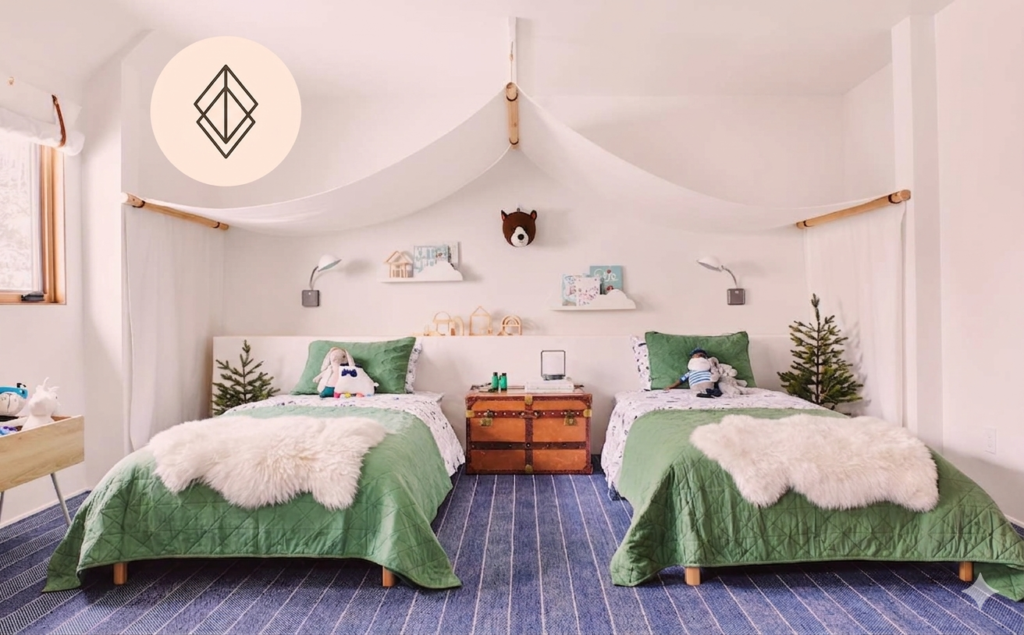
Organizing a shared kids’ bedroom can feel overwhelming at first—especially when space is limited and budgets are tight. Between different ages, personalities, routines, and storage needs, it’s easy for clutter and frustration to grow. The good news is that a thoughtfully planned, well-organized shared room can feel calm, functional, and fun without requiring a big investment.
A budget-friendly approach doesn’t mean sacrificing style or comfort. Smart layouts, multifunctional furniture, and simple DIY solutions can dramatically improve how a shared bedroom works day to day. When each child has defined zones and systems they can easily maintain, the room becomes easier for everyone to enjoy—and clean.
🏠 ATTENTION! 🏠 Spots fill fast — claim your FREE Home Organization consultation with our experts 📞Contact us NOW!
In the sections below, we’ll walk through practical, affordable strategies for organizing a shared kids’ bedroom. From layouts for small rooms to shared closet ideas, toy storage, gender-neutral designs, and space planning, these ideas are designed to help you create a space that grows with your children while staying within budget.
Shared bedroom layout for small rooms on a budget
In a small shared bedroom, layout is everything. The goal is to maximize floor space while ensuring each child has a designated area that feels personal. One of the most budget-friendly layout strategies is to place beds along opposite walls or in an L-shape to create natural boundaries without adding dividers. This keeps the center of the room open for movement and play.
Bunk beds and loft beds are classic solutions for small shared rooms. A basic bunk bed frame is often more affordable than buying two separate beds, and it frees up valuable square footage. With a loft bed, the space underneath can be used for desks, toy storage bins, or reading nooks, helping you get more function out of the same footprint.
For example, in a narrow room, you might place a bunk bed against one wall and use wall-mounted shelves on the opposite side for books and personal items. This layout feels balanced, keeps essentials accessible, and avoids overcrowding—all without expensive built-ins.
DIY shared closet organization for siblings

A shared closet can quickly become chaotic if it isn’t clearly divided. One simple and inexpensive approach is to split the closet vertically or horizontally so each child has their own defined section. This can be done with labeled bins, color-coded hangers, or separate hanging rods at different heights.
DIY closet organizers don’t have to be complicated. Tension rods, stackable shelves, and fabric hanging organizers are affordable tools that instantly add structure. Assigning each sibling their own set of drawers or baskets makes it easier for kids to find and put away their clothes independently.
Speed cleaning tips professional cleaners 🏠
As an example, you might use half the closet for one child’s clothing and the other half for their sibling, with shared storage (such as off-season items) stored on the highest shelf. Clear labels or picture tags help younger kids recognize their assigned areas, reducing daily mix-ups.
How to divide a shared bedroom for a boy and girl
Dividing a shared bedroom for a boy and girl doesn’t require permanent walls or expensive renovations. Visual separation can be achieved through furniture placement, rugs, or temporary dividers like bookcases or curtains. These low-cost solutions offer privacy while keeping the room adaptable as children grow.
Color and decor can also help define individual zones without reinforcing strong themes that may feel limiting later. Instead of committing to bold, gender-specific colors, try using solids and patterns that coordinate but differ slightly—such as two complementary colors or different accent shades.
For instance, a low bookshelf placed between beds can act as both a divider and a storage unit. Each side can be styled differently with pillows, bedding, or wall art, allowing each child to express their personality while still sharing the same room comfortably.
Budget-friendly toy storage for shared rooms
Toy storage is often the biggest challenge in a shared bedroom, especially when multiple age groups are involved. The most budget-friendly approach is to use open bins, baskets, or simple cubbies that make cleanup quick and intuitive. When toys are easy to access, kids are more likely to put them away.
Grouping toys by category rather than by child often works well in shared spaces. This reduces duplicate storage and encourages cooperative play. Use sturdy bins and label them clearly with words or pictures to help kids remember where everything belongs.
The 20-minute tidy home guide 🏠
For example, soft baskets under the bed can hold stuffed animals or dress-up clothes, while plastic bins on a low shelf store building sets or action figures. Rotating toys seasonally can further reduce clutter and keep the room feeling fresh without buying anything new.
Small shared bedroom ideas for kids
In a small shared bedroom, multifunctional furniture is your best friend. Items like storage beds, benches with hidden compartments, or desks that double as craft stations help reduce the number of pieces needed in the room.
Vertical space is another underused resource. Wall-mounted shelves, pegboards, and hooks provide storage without taking up valuable floor space. These solutions are typically affordable and can be adjusted or expanded over time.
A practical example is installing a row of hooks behind the door for backpacks and jackets, paired with floating shelves above the beds for books and decorative items. This keeps frequently used items accessible while leaving the floor open and uncluttered.
Inexpensive shared bedroom storage solutions
Effective storage doesn’t have to be expensive. Repurposing everyday items—such as crates, baskets, or drawer units—can go a long way in organizing a shared bedroom. The key is consistency: matching or similar containers create a calm, cohesive look.
Under-bed storage is one of the most cost-effective solutions available. Rolling bins or simple storage boxes keep rarely used items out of sight but easy to access. This is especially helpful for sharing seasonal clothing, bedding, or bulkier toys.
For instance, a basic cube shelving unit with fabric bins can serve multiple purposes: toy storage, clothing overflow, or even a room divider. Each bin can be assigned to a child or category, keeping organization flexible and affordable.
Gender neutral shared bedroom ideas on a budget
A gender-neutral shared bedroom is an excellent choice for siblings who want flexibility and longevity in their space. Neutral doesn’t mean boring—it simply focuses on adaptable colors, textures, and themes that can grow with your children.
Start with a neutral base using shades like white, beige, gray, or soft green, then let each child personalize their area with removable accents. Wall decals, throw pillows, and bedding are inexpensive ways to reflect individual interests without committing to permanent changes.
For example, you might keep walls neutral and use different patterned bedspreads or framed drawings above each bed. This approach keeps the room cohesive while giving each child a sense of ownership over their space.
Kids room organization
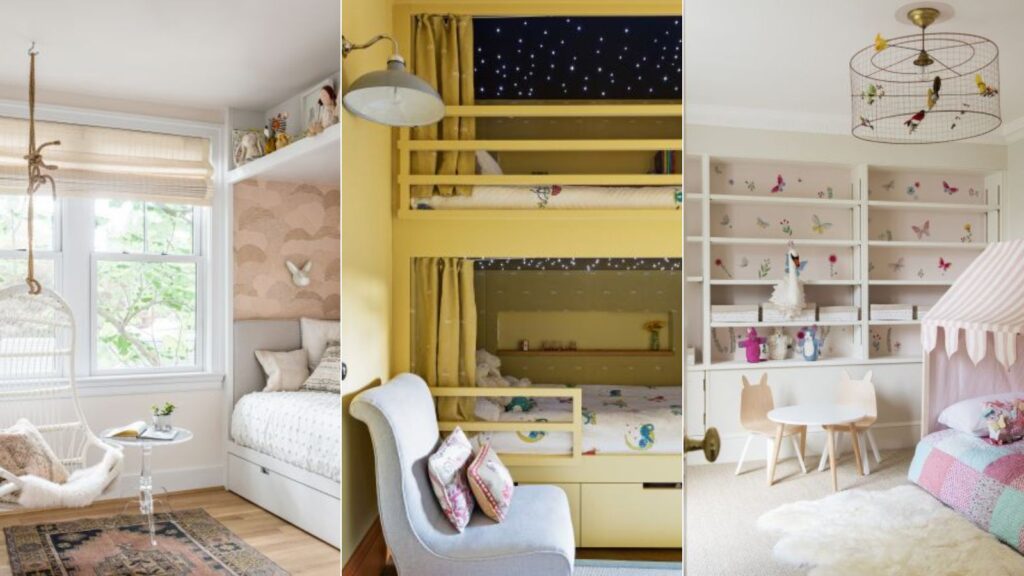
Successful kids room organization starts with systems that are easy to maintain. If storage solutions are too complicated, they won’t get used. Open storage, clear categories, and simple routines make all the difference in a shared environment.
Teaching kids where items belong and keeping storage at child-friendly heights encourages independence. When children can reach their bins, hang their clothes, and access their supplies, they’re more likely to take responsibility for tidying up.
As an example, placing labeled bins at floor level for toys and using low drawers for clothing allows kids of different ages to manage their own belongings. This not only supports organization but also builds confidence and daily habits.
Shared bedroom floor plans
Planning a shared bedroom floor plan helps you avoid overcrowding and ensures the room functions well for daily routines. Start by measuring the room and mapping where major furniture pieces will go before moving anything in.
A good shared floor plan balances private zones with shared areas. Beds typically take priority, followed by storage, desks, or play spaces. Keeping walkways clear helps the room feel larger and more comfortable.
Common decluttering mistakes to avoid 🏠
For example, placing beds along the longest wall and using the opposite wall for storage creates a clean, logical flow. Shared areas like a small reading corner or play table can be placed near the center, encouraging interaction while respecting personal space.
Organizing a shared kids’ bedroom on a budget is absolutely achievable with smart planning, creativity, and the right systems in place. If you’d like personalized help designing a functional, stress-free shared space for your children, call us today and book your free home organization consultation. We’ll help you create a room that works beautifully for your family—without breaking your budget.
📞 Call us today at 516-362-8092 or reach out to us on Instagram @cleaspeace25 to learn more about our current offers and how we can help you find peace in your home!