
Selling a home is about more than just listing it on the market—it’s about creating a space that buyers can instantly connect with. Professional home staging is one of the most effective ways to present your property in its best light, helping potential buyers envision themselves living there. When done right, staging can shorten time on the market and lead to stronger offers.
Home staging combines design, psychology, and marketing strategy. From furniture placement to lighting, every detail works together to highlight your home’s strengths and minimize its weaknesses. Even small adjustments can significantly enhance the perceived value of your property and create a memorable first impression.
🏠 ATTENTION! 🏠 Spots fill fast — claim your FREE Home Organization consultation with our experts 📞Contact us NOW!
In this article, you’ll discover practical and professional home staging strategies, including a complete checklist, budget-friendly ideas, and room-specific tips. Whether you’re selling a starter home or a luxury property, these insights will help you maximize your sale price and stand out in a competitive market.
Home staging on a budget
Staging your home doesn’t have to break the bank. Many effective staging techniques rely on decluttering, cleaning, and rearranging existing furniture rather than purchasing new items. By removing excess belongings and creating open, airy spaces, you can make your home appear larger and more inviting without spending much.
Another cost-effective approach is to focus on small upgrades that deliver big impact. Fresh paint in neutral tones, updated lighting fixtures, and inexpensive décor like throw pillows or plants can instantly refresh a room. Borrowing items or renting furniture for key spaces can also help you achieve a polished look while staying within budget.
Home staging checklist
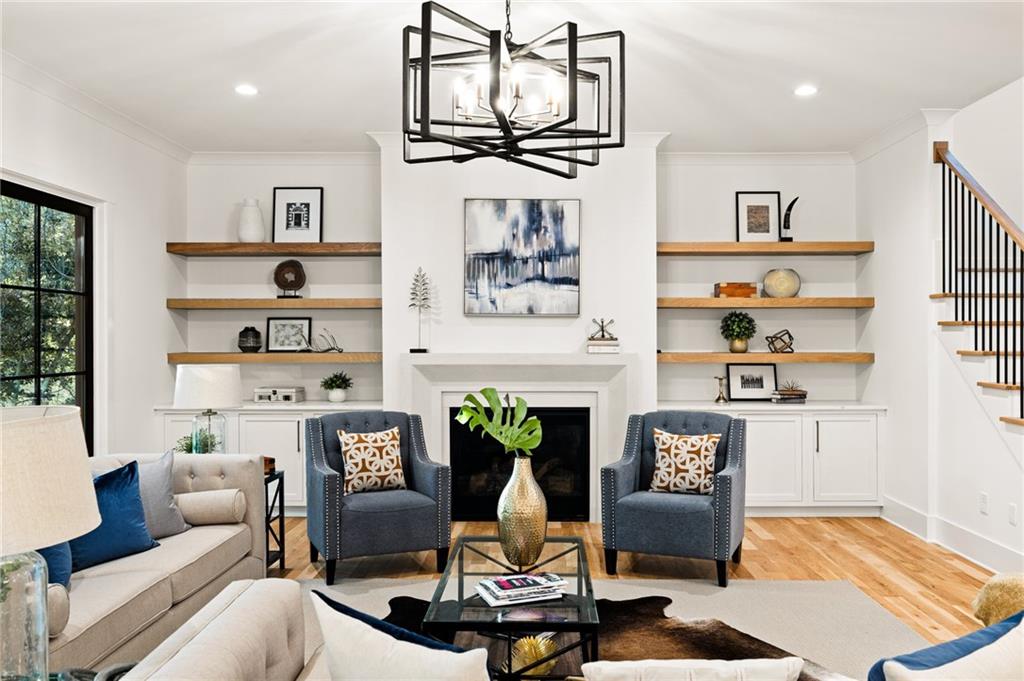
A thorough home staging checklist ensures nothing is overlooked when preparing your property for sale. Start by decluttering every room, including closets and storage spaces. Clean thoroughly—floors, windows, baseboards, and even light fixtures—to give your home a spotless, move-in-ready appearance.
Next, focus on repairs and finishing touches. Fix leaky faucets, replace burnt-out bulbs, and ensure all hardware is working properly. Finally, stage each room with purpose, using furniture and décor to highlight the room’s function and flow, making it easy for buyers to imagine daily life in the space.
Increase home value
Home staging is one of the simplest ways to increase home value without major renovations. By presenting your home in its best condition, you create a perception of quality and care that can justify a higher asking price. Buyers are often willing to pay more for a home that feels move-in ready.
Speed cleaning tips professional cleaners 🏠
Strategic upgrades such as modernizing fixtures, enhancing curb appeal, and improving lighting can further boost value. Even subtle changes—like adding mirrors to reflect light or updating cabinet hardware—can make your home feel more modern and appealing to today’s buyers.
Benefits of home staging
One of the biggest benefits of home staging is faster sales. Staged homes often spend less time on the market because they attract more interest and create a stronger emotional connection with buyers. A well-staged home stands out in online listings, increasing the likelihood of in-person showings.
Staging also helps justify your asking price and may even lead to multiple offers. When buyers perceive a home as well-maintained and aesthetically pleasing, they are less likely to negotiate aggressively, which can ultimately maximize your final sale price.
Living room staging
The living room is often the focal point of a home, so staging it effectively is crucial. Start by arranging furniture to create a natural conversation area while maintaining clear pathways. Avoid overcrowding the space, and aim for a balanced layout that highlights the room’s size and features.
Add finishing touches like neutral décor, soft lighting, and tasteful artwork to create a welcoming atmosphere. A few well-placed accessories—such as throw blankets, cushions, or a coffee table centerpiece—can make the space feel warm and inviting without appearing cluttered.
Virtual home staging

Virtual home staging has become increasingly popular, especially for online listings. This technique uses digital tools to furnish and decorate empty spaces, helping buyers visualize the potential of a property without physically staging it.
It’s a cost-effective alternative to traditional staging and works particularly well for vacant homes. High-quality virtual staging can showcase different design styles, appeal to a broader audience, and make listing photos more attractive, increasing click-through rates and buyer interest.
15 best home staging tips
1. Declutter every space
Removing unnecessary items creates a clean and spacious look. It also helps buyers focus on the home itself rather than your personal belongings.
2. Deep clean thoroughly
A spotless home signals care and maintenance. Pay special attention to kitchens and bathrooms, as buyers inspect these closely.
3. Depersonalize the décor
Remove family photos and personal items so buyers can imagine themselves living there. Neutral spaces appeal to a wider audience.
4. Use neutral colors
Soft, neutral tones create a calm and cohesive look. They also make rooms feel larger and brighter.
5. Maximize natural light
Open curtains and blinds to let in as much light as possible. Bright spaces feel more welcoming and spacious.
6. Highlight key features
Draw attention to fireplaces, large windows, or architectural details by arranging furniture strategically.
7. Rearrange furniture for flow
Ensure there’s easy movement throughout the home. Avoid blocking pathways or overcrowding rooms.
8. Add fresh greenery
Plants and flowers add life and color, making the home feel more inviting and vibrant.
9. Improve curb appeal
First impressions matter. Clean up the yard, paint the front door, and add welcoming touches like a doormat.
10. Update lighting fixtures
Modern lighting can instantly elevate a room’s appearance and make it feel more contemporary.
11. Stage each room with purpose
Clearly define each space, such as a home office or guest bedroom, so buyers understand its potential use.
12. Use mirrors strategically
Mirrors reflect light and create the illusion of more space, especially in smaller rooms.
13. Eliminate odors
Ensure your home smells fresh by addressing any odors and using subtle, pleasant scents.
14. Focus on the kitchen and bathrooms
These are key selling points. Keep countertops clear and add minimal, stylish accessories.
15. Keep it simple and consistent
A cohesive design throughout the home creates a polished and professional presentation.
NOTE: By applying these expert staging tips, you can significantly enhance your home’s appeal, attract more buyers, and ultimately secure a higher sale price.